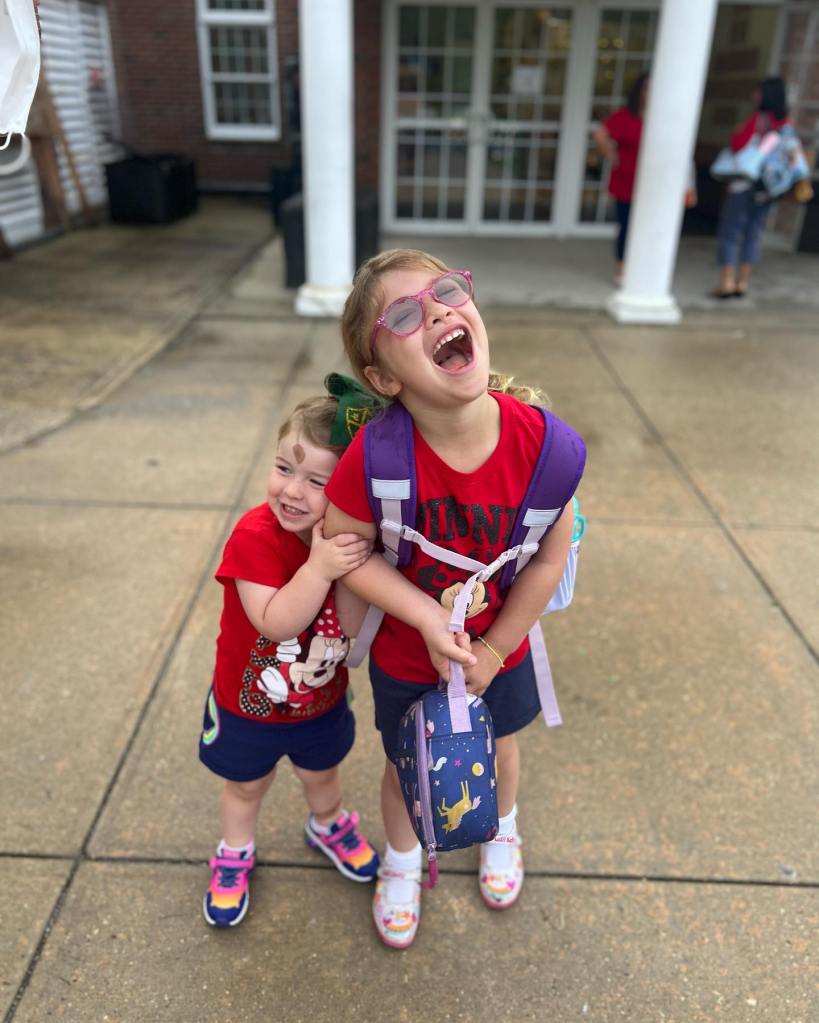
Earlier this month, my wife, Suzie, and I dropped off our girls, Shea (2nd grade) and Lily (Nursery), for their first day of school. We filled their new backpacks, took photos at the ungodly hour of 6am, and held in the tears as they turned away from us and into the care of loving and skilled teachers.
As I drove home, I couldn’t ignore the reality that there were so many other children in our world who will never receive an education like my children.
As you can probably imagine, the global data on education for children, especially girls, is troubling.
According to a 2022 UNDESA report, it will take at least another 54 years to reach universal primary school completion for girls. This report also shares the negative impact of discrimination based on race, ethnicity, religion, migratory status, and disabilities.
Pandemic-related disruptions to education have further deepened inequalities in learning for girls and young women. Worldwide, nearly 130 million girls are not enrolled in formal education, and more than half of them are in crisis-affected countries.
So, I must ask, are these children my responsibility?
Are they your responsibility, too?
I wrestle with this often, especially since I started working at the United Nations. I am inspired by the Sisters of Charity, whom I represent at the global table. Their sisters and associates have spent countless years providing quality education for all, especially those underserved. Many trace their roots back to St. Elizabeth Ann Seton, who was one of the first to educate girls in this country.
If these uneducated children are my, and your responsibility, what can we do?
First, we must acknowledge our very full plate, caring for our own children, loved ones, and friends. The growing to-do-lists, increased costs of food, taxes, transportation, among other things, are overwhelming. Our “inner circle” are our primary responsibility.
Yet, we are called to do more as we look outward. Here are three suggestions that do not take as much time (or money) as you may think:
- Look at your neighboring and own communities. Find those schools within your travel distance that are underserved, especially those who have welcomed the stranger in migrant children. Donate books, supplies (used or new). So many teachers take of their own funds to provide for their students. They need our generosity.
- Donate what you can. Give up one iced coffee from Dunkin’ each week to get started, or whatever treat you may give yourself from time to time. There are no shortage of organizations that help children in need. I am partial to UNICEF, but find one by doing a simple Google search. Do some homework to secure the funds are used as intended. (Feel free to message me for help with this process).
- Continue to learn. For example, did you know that in Afghanistan, girls are not allowed to receive a secondary education. There are root causes in various parts of the world that contribute to the limited education for children, especially girls, that continues and often expands the cycle of poverty. Here is a simple and short article to get started.
Finally, as a person of faith, we are called to pray. To center our hearts on these children, their caretakers, and those who help and harm. At times, my prayer is for improved circumstances or for hardened hearts to soften. If we stay with this prayer, we may soon hear an increase in the volume of the call to personally respond.
Jesus asks us, “what have you done for the least of my brothers and sisters?” Not just those in my home or community or even country, but all our fellow humans (and as Pope Francis continues to remind us, all of creation, too). We are called to respond not with indifference, but with love.
What might happen if we allow God to answer prayers through us?
 Home Run Dads
Leave a comment